Arena Clash: Vehicle Survival stands out in the crowded multiplayer racing genre by emphasizing strategy over speed. The growth mechanic, where collisions increase vehicle size, creates a dynamic risk-reward system. Players must constantly evaluate whether to engage or evade. The arena hazards add another layer, rewarding those who can use the environment to their advantage. Matches are quick but intense, and the simple controls make it accessible to newcomers. The real depth comes from learning to read opponents and adapt your approach. It is a well-designed game that respects the player's time and offers genuine replayability.
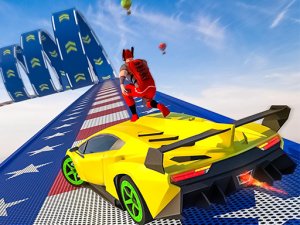
In Arena Clash: Vehicle Survival, each match begins with a group of vehicles scattered across a compact arena. The playing field is not static; it contains boundaries that shrink over time and obstacles that can disable or slow down any vehicle that touches them. Players must constantly monitor their surroundings while planning their next move. The arena itself becomes a tool for those who understand its layout. A well-timed turn can force an opponent into a hazard, while a poorly chosen path can end a run early. This design ensures that no two matches play out the same way.
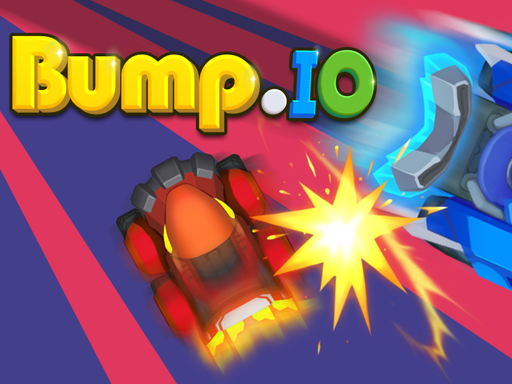
When two vehicles collide, the aggressor gains energy that gradually increases their vehicle's size and strength. A larger vehicle can push smaller ones more effectively and withstand more contact before being disabled. However, this growth comes with a trade-off. A bigger vehicle moves slightly slower and presents a larger target for opponents. Skilled players learn to manage their size, sometimes choosing to stay at a medium build to retain agility. This mechanic adds a layer of strategy beyond simple racing, as players must decide when to seek collisions and when to avoid them.
Matches support up to 16 participants, creating a chaotic but controlled environment. The multiplayer format means that alliances can form naturally, though they rarely last. A player might help another eliminate a common threat, only to turn on them moments later. The game rewards those who can read the intentions of others and anticipate sudden changes in the arena. Communication is not required, but observation is key. Watching how opponents move and react gives valuable clues about their next actions.
The control scheme is designed for quick learning. Players use a single input method to steer their vehicle, making it easy to jump into a match without lengthy tutorials. This simplicity allows newcomers to focus on understanding the arena and the growth system rather than struggling with complex controls. Despite the easy entry, mastering the game requires practice. Timing a collision perfectly, navigating tight spaces, and predicting opponent movements all demand attention and experience. The balance between accessibility and depth keeps the experience engaging for both casual and dedicated players.
Surviving until the end requires more than just fast driving. Positioning matters more than raw speed. A player who stays near the center of the arena has more options but also faces more threats. Those who hug the edges risk being trapped but can sometimes avoid notice. The growth system adds another dimension: a very large vehicle might dominate early but become a prime target later. Successful players adapt their strategy based on their current size, the number of remaining opponents, and the state of the arena hazards. Patience and observation often lead to better outcomes than constant aggression.




Player Comments
Sign in to comment
You must be logged in before posting a review or rating.
No account? Create one
No comments yet. Be the first to comment!